Air Circulator vs. Evaporative Air Cooler: A B2B Sourcing Guide
- 8 min read
The Commercial Cooling Challenge
Businesses across multiple sectors face the same challenge: how to keep employees, customers, and equipment comfortable without incurring unsustainable electricity costs.
Air conditioning remains the gold standard, but its installation and operational expenses are substantial. Traditional fans offer limited benefits. For many commercial operations, two cost-effective alternatives have proven their value: air circulators and evaporative air coolers.
This guide is designed for procurement professionals, facility managers, and business owners evaluating cooling solutions for warehouses, workshops, retail spaces, and other commercial environments.

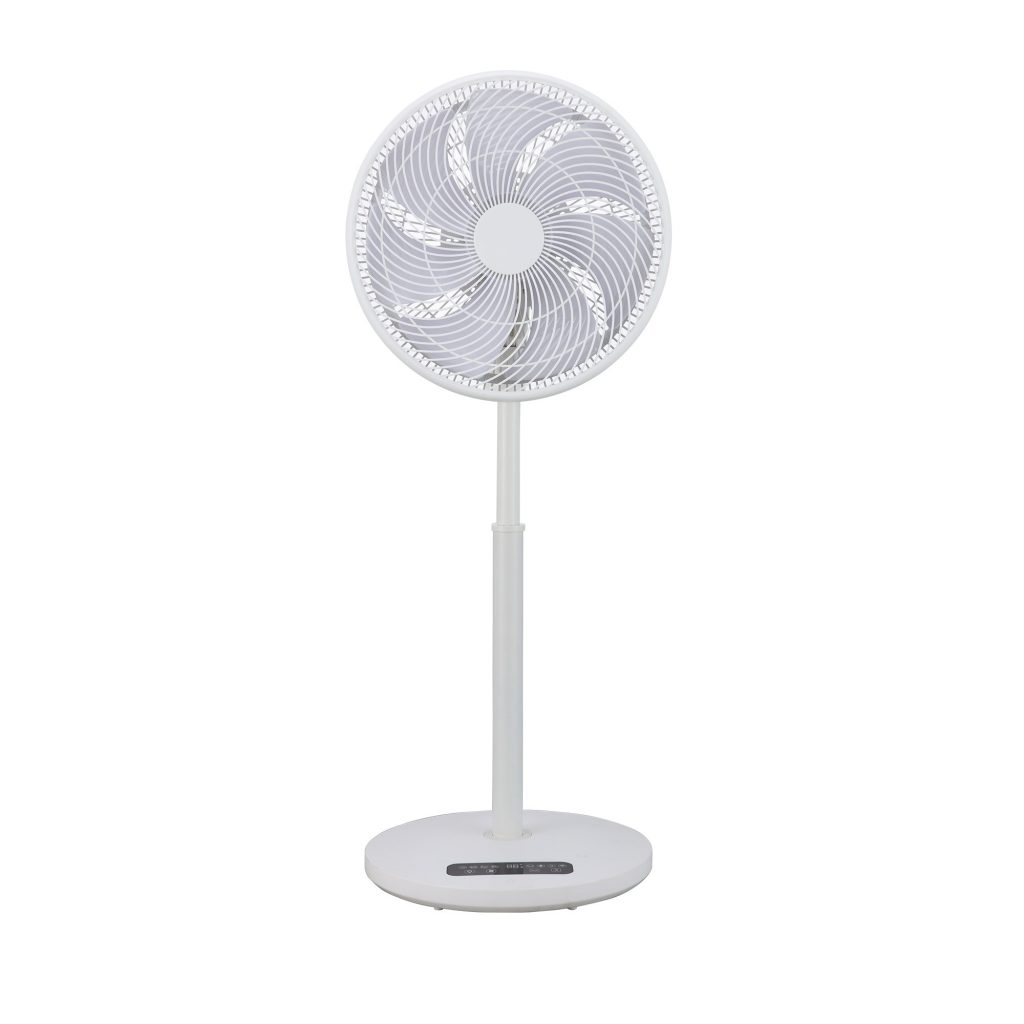
Air Circulator
Efficient air movement for year-round comfort. Works in any climate.
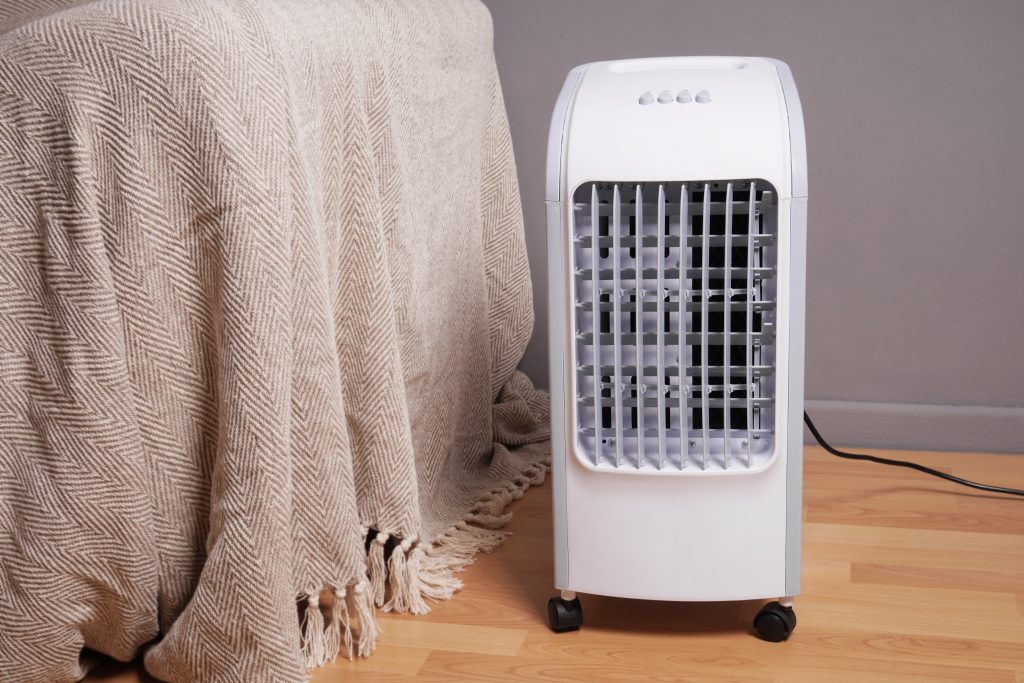
Air Cooler
Active cooling that lowers temperature by up to 5°C. Ideal for dry climates.
How They Work: Understanding the Mechanisms
Air Circulators
Air circulators do not change air temperature. Instead, they employ advanced aerodynamic principles to maximize air movement.
Commercial-grade air circulators feature deep-pitched blades and precision-engineered grilles that produce a concentrated, high-velocity air column—often reaching distances of 7–10 meters. This focused beam travels across the room, rebounds off walls and ceilings, and creates a continuous air mixing effect that eliminates temperature stratification.
The result is consistent air movement throughout the entire space, which enhances comfort without altering ambient temperature.
Evaporative Air Coolers
Evaporative air coolers (also referred to as swamp coolers) actively reduce air temperature through the natural process of evaporative cooling.
The mechanism is straightforward: a fan draws warm, dry air into the unit, which then passes through water-saturated cooling pads. As water evaporates, it absorbs heat from the air, and cooled, humidified air is discharged into the space.
This approach can achieve temperature reductions of up to 5°C, depending on ambient conditions. The process is energy-efficient and environmentally sustainable, utilizing minimal electricity compared to conventional AC systems.
Key Differences at a Glance
Here’s what sets them apart:
- Primary Function: Air circulators move existing air to create a breeze, whereas water coolers actively cool air via evaporation.
- Temperature Change: Air circulators do not lower air temperature, while water coolers can reduce it by up to 5°C.
- Climate Suitability: Air circulators work in any climate—including humid regions—whereas water coolers are only effective in hot, dry conditions.
- Best Environment: Air circulators perform well in enclosed rooms, especially with AC or heating systems. Water coolers require open windows and well-ventilated areas.
- Maintenance: Air circulators need only occasional dusting. Water coolers require regular refilling and pad cleaning.
- Year-Round Use: Air circulators work year-round (and even complement heating systems), while water coolers are mostly summer-specific.
- Energy Use: Air circulators consume very little power—comparable to a lightbulb. Water coolers use slightly more (fan + water pump) but remain highly efficient.
Which Solution Fits Your Business?
Air Circulators Are the Better Choice If:
You already have air conditioning.
Air conditioners produce cold air but often struggle to distribute it evenly throughout the space. An air circulator picks up that chilled air and pushes it into every corner—resulting in faster, more consistent cooling while reducing your AC unit’s workload and electricity costs.
You want year-round value.
In winter, warm air naturally rises to the ceiling while the floor stays cold. By pointing an air circulator upward on a low setting, you can push that trapped heat back down and circulate it throughout the room. This makes your heating system more efficient and saves energy year-round.
Your facility is in a humid region.
Water coolers lose effectiveness in high humidity because the air simply can’t absorb more moisture. Air circulators don’t add any moisture—they work anywhere, regardless of climate.
You need a low-maintenance solution.
With virtually no upkeep beyond occasional dusting, air circulators are ideal for operations where minimizing maintenance is a priority.
Water Coolers Are the Better Choice If:
Your facility is in a hot, dry climate.
Evaporative cooling only works when the air is dry enough to absorb moisture. In desert climates or regions with dry summer heat, water coolers deliver exceptional value.
You need actual temperature reduction.
If you want to feel a genuine drop in temperature—not just a breeze—a water cooler is the answer. It can lower ambient temperature by up to 5°C, providing real relief on the hottest days.
Your operation doesn't have air conditioning.
For warehouses, workshops, garages, or covered patios without AC, a water cooler offers an affordable middle ground: more cooling than a fan, less expensive than an air conditioner.
You need semi-outdoor cooling.
Water coolers work best with open windows or doors, making them ideal for covered patios, loading bays, event spaces, and other areas where AC isn’t practical.
Financial Considerations for Procurement
Both appliances use a fraction of the electricity required by a traditional AC unit.
Air circulators are incredibly cheap to run—roughly the same as a standard lightbulb. Water coolers use slightly more power because they operate both a fan and a water pump, but they’re still remarkably cost-effective compared to air conditioning.
In terms of upfront cost, air circulators generally involve a lower investment. However, if you need actual temperature reduction, the additional cost of a water cooler is often well justified.
From a maintenance perspective, air circulators require practically no ongoing expense, while water coolers involve regular pad replacements and cleaning—factors that should be included in your total cost of ownership calculation.
Climate Suitability: A Critical Factor
A key distinction depends entirely on geographic location.
In humid regions where relative humidity regularly exceeds 60%, water coolers provide little to no cooling benefit—the air simply cannot absorb additional moisture. Air circulators are the only practical choice here.
In dry regions where humidity stays below 40%, water coolers deliver maximum cooling efficiency. For areas with variable climates, air circulators offer consistent performance year-round, regardless of humidity fluctuations.
This single factor—your local climate—often determines which solution is right for your operation.
Operational Requirements to Consider
Air circulators are essentially plug-and-play. They require only a standard electrical outlet, occupy minimal floor space, and work effectively in enclosed spaces without requiring open windows or doors.
Water coolers have additional requirements. They need either a continuous water supply or regular manual refilling. They typically have a larger footprint. Most importantly, they require open windows or doors to function properly—the constant fresh air intake is essential for the evaporative cooling process to work.
These operational differences should be carefully evaluated against your facility’s layout and workflow.
Can You Use Them Together?
Absolutely—and many commercial operations do.
A particularly effective setup involves positioning water coolers near fresh air intake points (doors, windows, or loading bays) to pre-cool incoming air. Air circulators are then placed in central or rear areas to distribute that cooled air evenly throughout the facility.
This combination gives you the best of both approaches: actual temperature reduction plus even, room-wide circulation.
Selection Guide: Which Solution for Your Business?
Here’s a quick decision guide:
- If you have air conditioning and want to make it more efficient, choose an air circulator.
- If you need year-round value and want a solution that works with both heating and cooling, choose an air circulator.
- If your facility is in a humid climate, choose an air circulator.
- If you need a quiet, low-maintenance option for employee comfort, choose an air circulator.
- If your facility is in a hot, dry climate and you need actual temperature reduction, choose a water cooler.
- If you don’t have air conditioning and need real cooling for large spaces, choose a water cooler.
- If you have well-ventilated, semi-open spaces like patios, loading bays, or workshops, choose a water cooler.
Long-Term Considerations
When evaluating these solutions for your business, consider these factors:
Scalability: Air circulators are easy to deploy across multiple zones, with no water infrastructure required. Water coolers need water availability and drainage, which can complicate expansion.
Durability: Commercial-grade units of both types are built for continuous operation, but water coolers have more components (pumps, pads, tanks) that may require periodic replacement.
Sustainability: Both solutions are far more energy-efficient than air conditioning. Water coolers also offer water-based cooling without refrigerants, which can be a consideration for sustainability reporting.
Regulatory Compliance: Air circulators have minimal reporting requirements. Water coolers may require water usage reporting in some regions, depending on local regulations.
Why Choose Our Solutions?
We supply commercial-grade air circulators and evaporative air coolers to businesses across multiple sectors. Our product range includes:
- Industrial air circulators for warehouses and manufacturing facilities
- Commercial evaporative air coolers for workshops, retail spaces, and outdoor areas
- Portable cooling solutions for flexible deployment
- Custom configurations for specialized requirements
All products are built to international standards and backed by comprehensive after-sales support.
Start Your Sourcing Journey
Need expert guidance on choosing the right cooling solution for your business? Our team specializes in helping B2B clients identify the most cost-effective and energy-efficient options for their specific operational needs. Contact us today to discuss your requirements.